As cities grow, structured planning becomes crucial. That’s where GMADA’s (Greater Mohali Area Development Authority) sectoral grid system plays a pivotal role in shaping future-ready urban infrastructure in Punjab. Here’s what you need to know about it:
A sectoral grid is a systematic way of dividing urban areas into well-planned sectors based on utility, purpose, and population density. Each sector is self-contained with green spaces, schools, markets, and essential services.
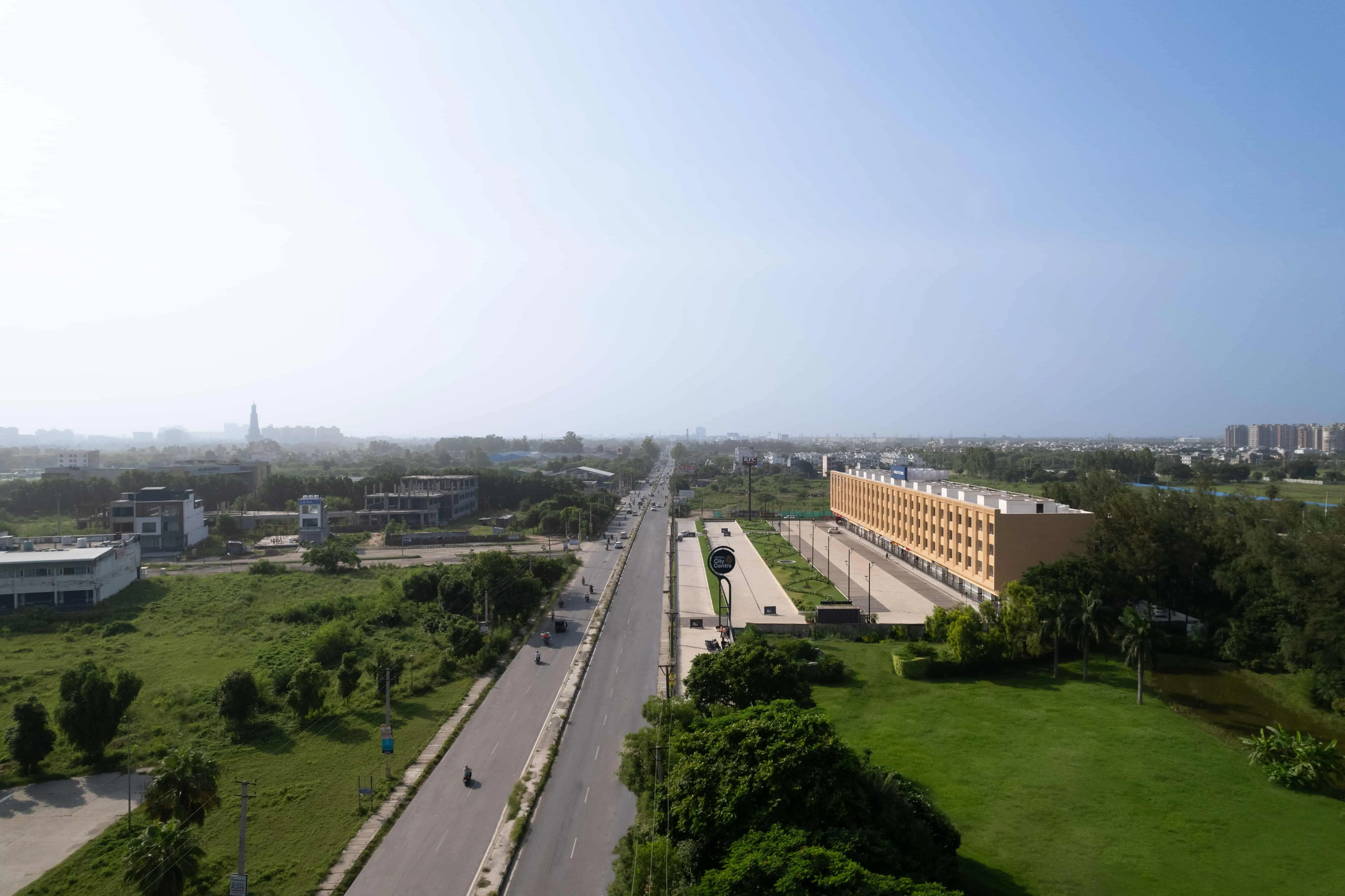
GMADA’s grid currently extends up to Sector 114, and now includes Sector 115 along the strategic NH 205A (Kharar-Landran Road). This highway is emerging as a crucial urban corridor, linking major sectors to Chandigarh, the upcoming Aerotropolis, and the Mohali International Airport.
As Sector 115 becomes part of the GMADA grid, it signifies the next wave of urban expansion, with ample scope for residential, commercial, and institutional growth. The sector benefits from master planning, future metro connectivity proposals, and proximity to IT hubs, making it a compelling choice for investors and homebuyers.
Properties within GMADA's grid—particularly in Aerocity, IT City, Eco City, and now Sector 114 & 115—enjoy higher appreciation rates, superior civic services, and enhanced resale potential. Investors and homebuyers benefit from long-term security, transparency, and better quality of life.
GMADA’s sectoral grid system is a game-changer in Punjab’s real estate development. With its expansion towards Sector 114 and 115 along NH 205A, the grid is paving the way for future-ready urban clusters.
For buyers, it ensures a hassle-free, well-organized, and modern living environment. For developers, it lays a strong foundation for scalable and smart expansion aligned with the state’s vision of sustainable growth.