In recent years, Mohali and the Tricity region have seen a rise in commercial estates and investors. When businesses grow, footfall naturally sees a rise, and as a result, improved infrastructure and commercial spaces become a preferred choice for investors. The main aspect lies in knowing what mistakes to avoid before you commit your hard-earned money to any commercial estate.
Investing in commercial real estate can feel scary, especially the first time. But there is nothing to worry about. Just note down a few dos and don'ts, and the list isn't very long either, so it's not even like a rulebook. As an investor, you need to avoid making a few common mistakes. Keep reading to find more about the same.
If you're in Mohali or nearby, there's no reason to worry. Reach out to Monga Infratech, and we'll be happy to assist you with honest and transparent service. We're here to share our industry knowledge and guide you every step of the way.
Feel free to give us a call at +91 77103 23334 or visit our office today.
Investors often make a common mistake when dealing with commercial properties, which is that they assume commercial properties work like residential estates. However, commercial leases, tenant expectations, and returns on investment are very different.
It is often misunderstood that commercial leases are as short as residential leases. Commercial properties often have higher returns than residential but come with longer vacancies and specialised risks.
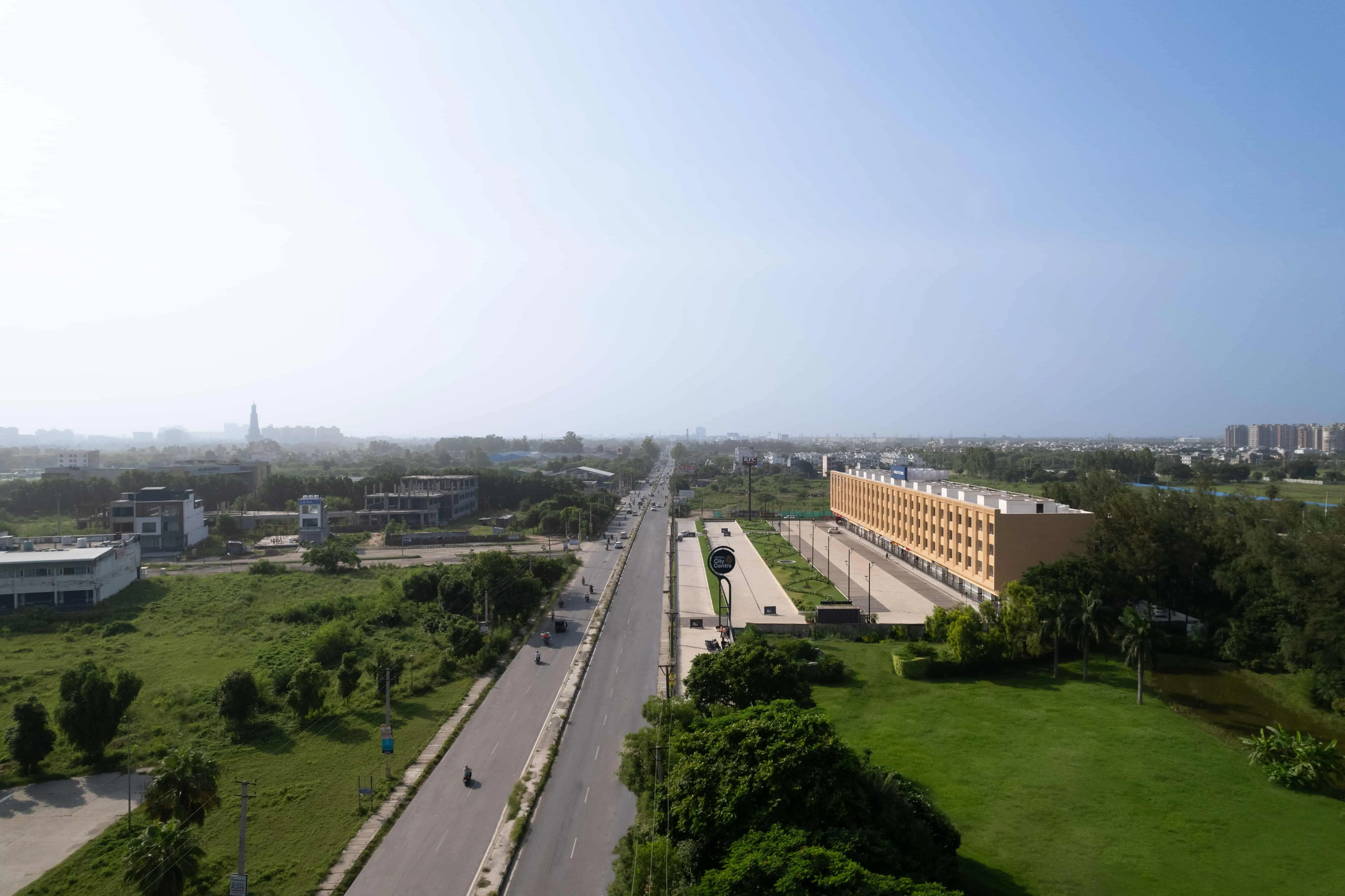
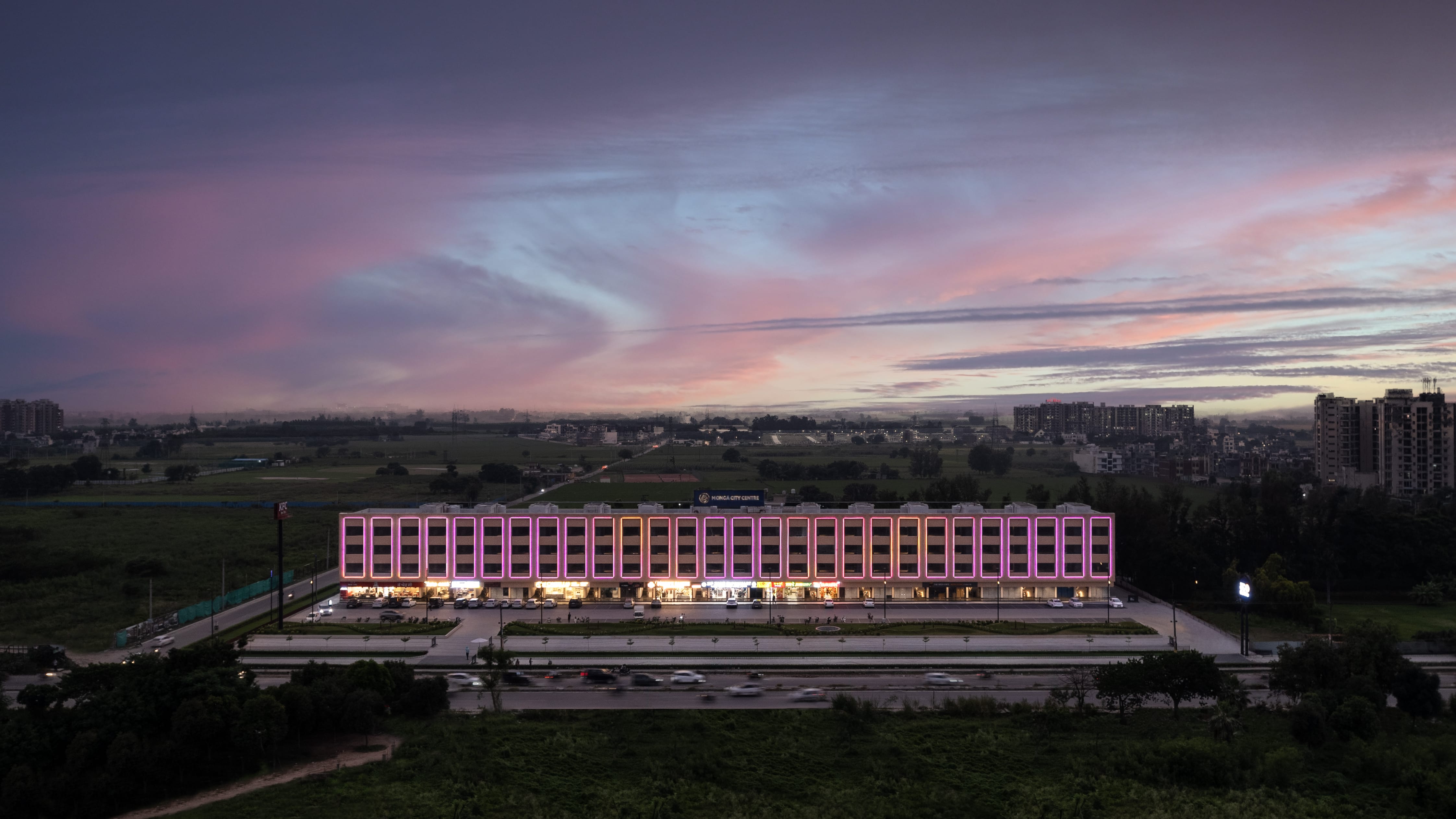
This is exactly why you will need to have a secure, high-demand location like Monga City Centre, to make sure your property’s value does not depreciate and your return on investment is consistent.
To invest, an initial loan is a feasible way to go, but borrowing too much or without a plan can create financial strain. To ease that, consider borrowing up to 60–70% of equity to leave a financial buffer. You may also want to try to get pre-approved for financing and lock in the lowest possible interest rate.
Financial Tip: Use rental income to pay off your loan instead of exhausting your personal savings.
Many first-time investors focus on rental income but forget that commercial properties often have higher expenses, such as maintenance, insurance, and taxes, that you need to take into account. Properties in busy business districts often come with higher operating costs but attract stable tenants. Here is how you can avoid this common mistake –
Create a detailed budget that includes: Rates and taxes, Insurance, Repairs and maintenance, Security and cleaning, and save an emergency fund equal to 3–6 months of operating expenses.
Buying a commercial estate in any area with low tenant demand or inconsistent footfall can result in long vacancies and reduced income. Look thoroughly and conduct your research on tenant demand and footfall in the area: Are businesses growing or leaving? What industries dominate? Visit nearby properties to have an idea about vacancy rates.
When you have a tenant, do not accept tenant lease terms without negotiation; you may miss out on higher rents or protections against non-payment. Work with an attorney to draft leases that include: annual escalation rates, security deposits equal to 2–3 months’ rent. Negotiate tenant improvements as part of the lease agreement.
Footfall and visibility are two different but important factors; any ideal commercial property should consist of both, and parking, accessibility, and road width.
Another common mistake is to expect quick profits. Commercial properties are long-term investments, and expecting immediate returns can lead to disappointment. To Avoid It, focus on cash flow from rental income rather than the appreciation in the worth of the property itself. Plan to hold the property for at least 5–10 years. Commercial properties appreciate more steadily over the long term than residential properties.
As first-time investors, you may often try to handle everything alone to save money, but risk making costly mistakes. Work with professionals: Commercial property agents, such as Monga Infratech and learn from others. When it is about commercial properties in India, it is a good idea to start small, stay informed, and build a strong foundation for long-term success!
When looking to buy their first-ever commercial estate, most people use the same aspects as residential property, or they rely heavily on advice from friends and relatives.
Investing in a commercial site requires professional guidance. In case there is a lack of proper research, the chances of making wrong decisions increase. While Fear of missing out on “good deals” and the pressure to act quickly can lead you to make rushed decisions, always go to a consultant who is the best in the field. Come to Minga Infratech, and we can help you make informed decisions.
Real estate is not as hard as everyone makes it sound, especially in the commercial sector. As a first-time buyer, you may want to avoid these mistakes and get expert guidance; you will be good to go.
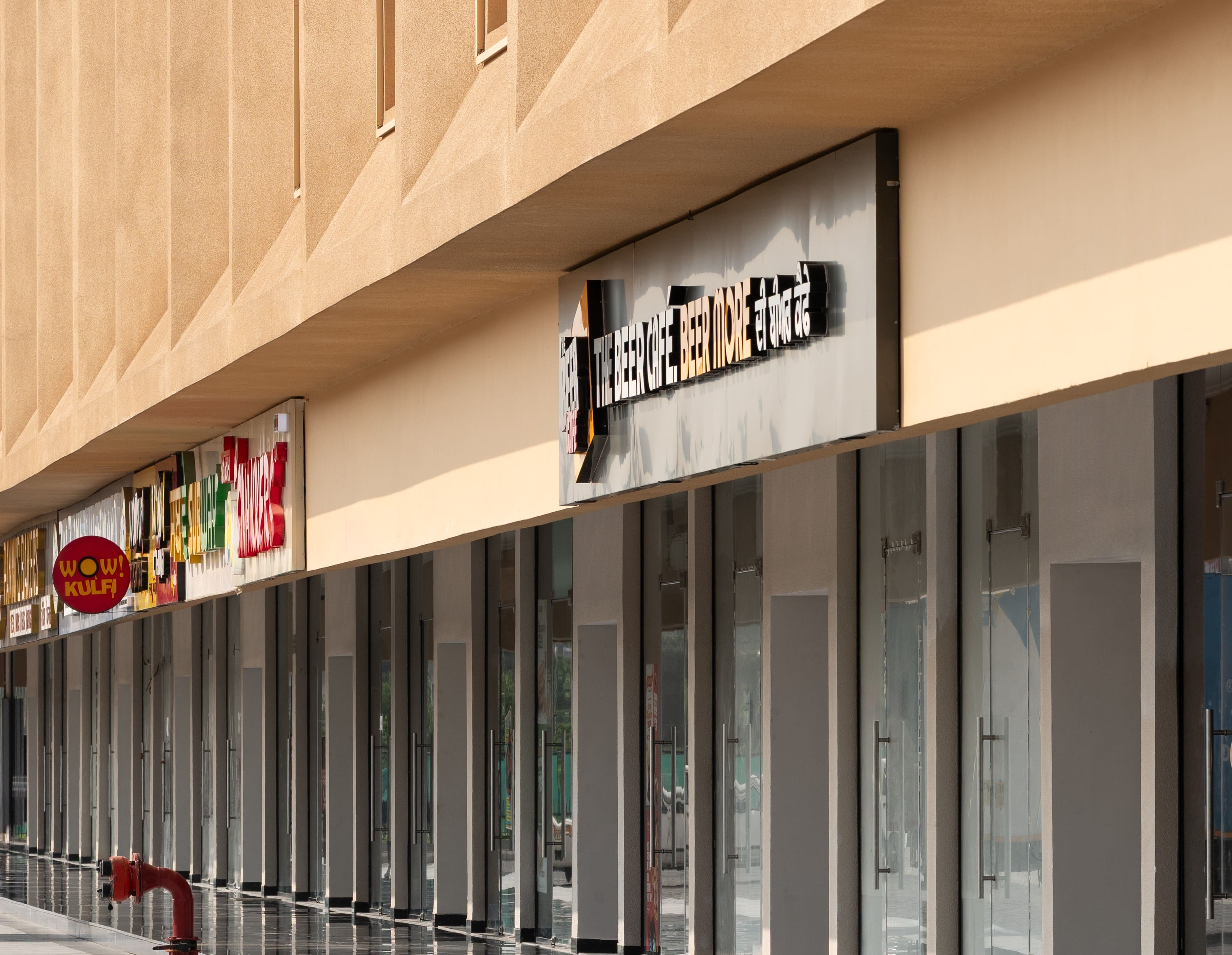
If you are looking for a location with high footfall, a great location, and one that solves all your other issues, invest in Monga City Centre today. A variety of commercial spaces are available.
What are the biggest risks in commercial property investment?
The major risk when investing in a commercial property is location-related demand fluctuations; however, as a buy you may also have to deal with longer vacancy periods, higher operating costs, tenant dependency, etc.
How much loan should I take for a commercial property?
It is recommended to borrow only 60–70% of the property value. It helps to maintain cash flow and leaves a financial buffer for emergencies or vacancies.
What are the hidden costs of owning a commercial property?
Hidden costs may include maintenance, property taxes, insurance, security, cleaning, legal fees, and periods without rental income. These should always be considered when making a budget. However, these costs cannot be termed as hidden; at some point or another, the buyer is exposed to these. It is only fair to term them as operational costs.